SEVERE: Thousands of People Lose Their Independence Every Year Due to Problems Associated With Excess Mucus and Phlegm in the Lungs
If you've been dealing with COPD and excess mucus/phlegm in your lungs, you're running out of time — see this now.
 As explained by natural health educator Barbara O'Neill
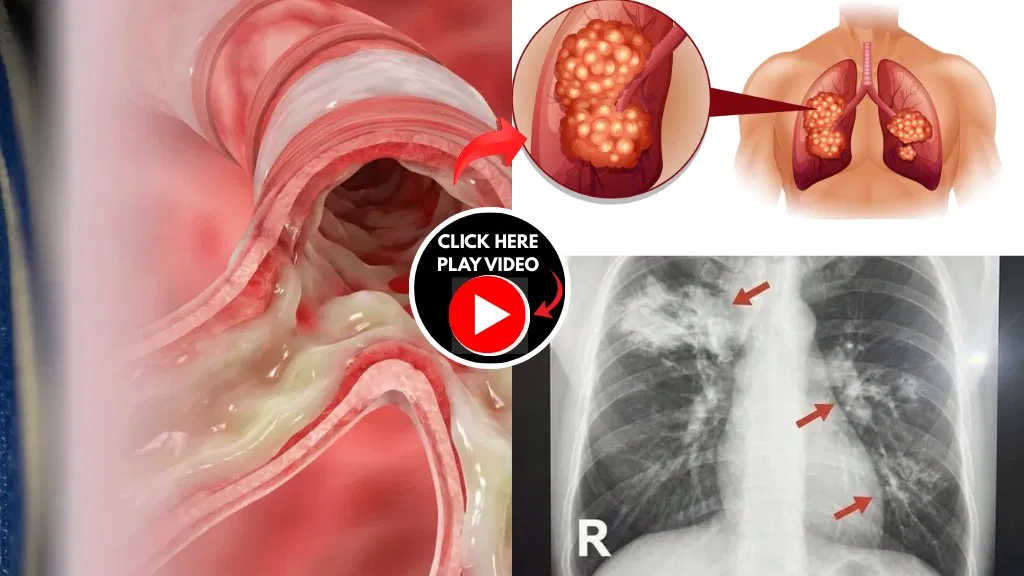
You wake up and your throat needs clearing before you've even gotten out of bed.
You walk across the room — not far, just across the room — and you're already thinking about your next breath.
You lie down at night and your chest feels "full," even though nothing is technically wrong.
And what you're about to discover may change the way you think about mucus buildup and breathing problems.
Discover What May Be Keeping Mucus Coming Back — And Why Common Approaches May Not Address The Underlying Process
For years, people have been told that mucus, phlegm, and breathing discomfort are simply problems to manage.
But a new presentation explores a different question:
What if the way your body handles mucus and maintains airway function is also part of the story?
The presentation explains a little-known respiratory mechanism and why it has attracted attention from people looking for a different approach to breathing comfort.
If You're Over 40 And Any Of This Sounds Familiar…
You may want to pay attention.
Especially if you:
🔺 Frequently deal with mucus or phlegm.
🔺 Feel short of breath during everyday activities.
🔺 Have to pause while walking, climbing stairs, or doing simple chores.
🔺 Experience chest tightness or a feeling of congestion.
🔺 Wake up needing to clear your throat or catch your breath.
🔺 Have a history of smoking or regular exposure to air pollution.
🔺 Have tried different ways to manage your breathing, but still feel limited.
If you recognize yourself in even a few of these situations, keep reading.
The Part Most People Don't Think About
You wake up and need to clear your throat.
You walk a short distance and suddenly feel like you need to slow down.
You lie down, but your breathing doesn't feel as comfortable as it should.
You try to take a deep breath…
But it doesn't feel satisfying.
And perhaps the most frustrating part is this:
Even when the mucus seems to clear temporarily, the same uncomfortable feeling can return.
That can make everyday activities feel more difficult than they used to.
And over time, you may start avoiding things you once did without thinking.
Walking. Shopping. Climbing stairs. Spending time outdoors.
Not because you want to…
But because you don't want to deal with that uncomfortable breathing feeling again.
What If Your Body's Natural Breathing Process Plays A Bigger Role Than You Think?
Most people think about breathing problems in terms of symptoms:
Mucus. Phlegm. Congestion. Tightness. Shortness of breath.
But the presentation explores another question:
What if the way your body manages mucus and maintains airway function is also part of the story?
Inside the respiratory system, there are natural proteins involved in important processes related to lung function.
One of the proteins discussed in the presentation is called SPD.
The theory presented is that this protein may be connected to how the body manages mucus buildup and supports the natural breathing process.
And that raises an interesting question…
Could supporting this natural process be a different way to approach the problem?
The presentation explains the mechanism in detail.
But there's more to the story than just mucus.
A Respiratory Discovery Worth Understanding
If this is the first time you're hearing about SPD, you're not alone — most people never do.
In this presentation, natural health educator Barbara O'Neill explores this little-known respiratory mechanism and the research behind the theory.
She explains:
🔹 Why mucus buildup may be more complicated than people realize.
🔹 How airway function is connected to the body's natural processes.
🔹 Why some people continue experiencing breathing discomfort.
🔹 And what researchers are investigating about the role of SPD.
You don't need to understand complicated medical terminology to follow it.
Barbara breaks the idea down step by step.
The Goal Is More Than Just "Breathing Better"
It's about being able to do everyday things with less discomfort.
Walking without constantly thinking about your breathing.
Climbing stairs without feeling as limited.
Getting through your day without repeatedly stopping to clear your throat.
Feeling more comfortable when you lie down.
And most importantly…
Getting back to the activities you may have started avoiding.
The presentation explains why this approach has attracted attention from people looking for a different way to understand their breathing problems.
When you know what to do at the very first early signals, it can be much easier to stay steady—so you're not constantly reacting after things spiral.
It starts with two simple things: a few seconds of slow, deliberate breathing... and a natural remedy you may already have sitting in your kitchen.
Here's what the reset actually looks like, done from the comfort of home.
▶ Watch The Free Presentation
The Full Explanation Is Available Below
If you've been dealing with recurring mucus, phlegm, or breathing discomfort, this is a presentation worth understanding.
Not because you should ignore your current treatment.
But because every day you keep treating only what you can see — the mucus — is another day the underlying process may continue undisturbed.
Watch it now, while you still have the chance to understand what may actually be happening — before simply accepting persistent mucus as something you have to live with.
Discover What May Be Behind This Breathing Problem
🔹 The hidden mechanism involving mucus buildup.
🔹 Why the body's natural breathing process matters.
🔹 What SPD is and why it is being discussed.
🔹 And the approach being presented to support this process.
Watch the presentation now to see the full explanation.